Tel.: +86 17325368185
E-mail: info@knypsports.com
Tel.: +86 17325368185
E-mail: info@knypsports.com

Designing inclusive table tennis facilities ensures that players of all ages and abilities can enjoy this engaging sport. The establishment of inclusive spaces addresses user pain points such as accessibility, safety, and engagement in physical activity. Crucial considerations include affordable equipment, age-appropriate design, and open access to all community members. This article explores best practices for creating these facilities, leveraging insights and data to foster a more welcoming environment.
1. **Promotes Participation**: Inclusive designs encourage greater participation among diverse age groups and abilities.
2. **Enhances Social Interaction**: Such facilities foster community bonds and socialization through shared experiences.
3. **Increases Physical Activity**: Easy access to play spaces motivates more individuals to engage in physical exercise.
4. **Addresses Safety Concerns**: Ensuring that facilities are safe and accessible reduces the risk of injury.
1. **Entrances and Pathways**: Ensure all entrances are wheelchair accessible with clear path indicators.
2. **Equipment Height**: Provide adjustable or varied height tables and benches suitable for children, adults, and those with disabilities.
3. **Signage and Information**: Use clear, simple signage that is visible and well-placed to guide players.
4. **Flooring Material**: Utilize non-slip flooring to cater to all ages while preventing falls.
5. **Rest Areas**: Establish comfortable rest areas to facilitate recovery and socialization post-play.
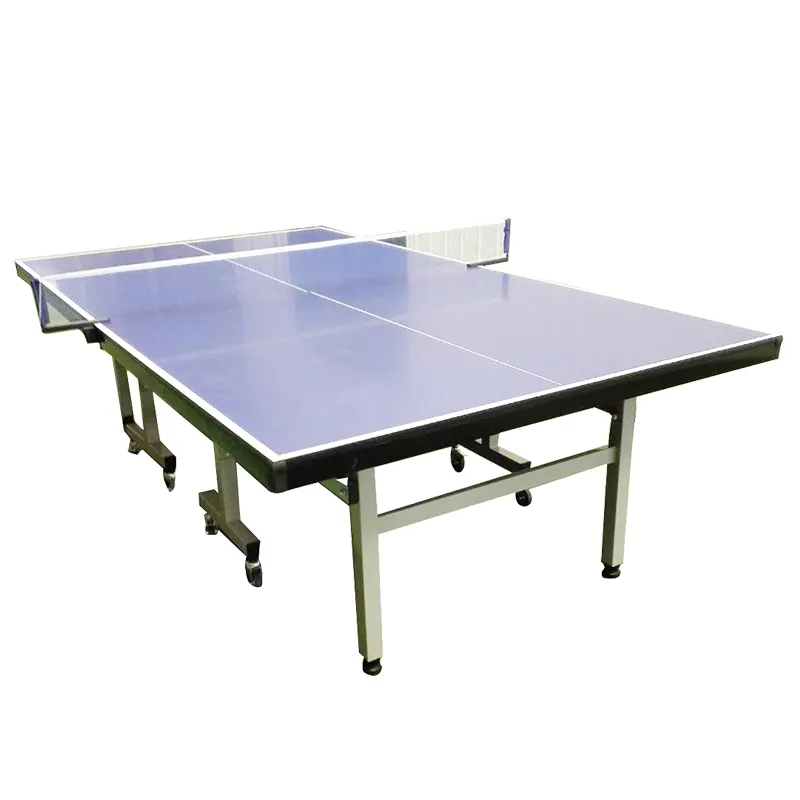
1. **Multiple Table Sizes**: Utilize a variety of table sizes suitable for different ages, from compact tables for younger players to standard sizes for adults.
2. **Adaptive Equipment**: Implement adaptive paddles and balls to cater to players with varying physical capabilities.
3. **Family-Friendly Programs**: Offer family-oriented programs encouraging mixed-age participation in organized events.
4. **Skill Development Zones**: Create specific areas focused on skill building catered to different abilities and ages.
Studies indicate that facilities featuring varied sizes and equipment increase usage by over 30% among youth and seniors.
1. **Feedback Mechanisms**: Develop methods to gather feedback from community members to enhance facility offerings.
2. **Workshops and Events**: Schedule regular workshops promoting the sport and educating users about the available facilities.
3. **Inclusive Marketing**: Utilize diverse marketing strategies to reach various groups and encourage their participation.
4. **Partnerships**: Collaborate with local schools, sports organizations, and community centers to drive engagement.
| Strategy | Pros | Cons |
|---|---|---|
| Feedback Surveys | Encourages community input | May have low response rates |
| Workshops | Teaches skills; builds community | Resource-intensive |
| Partnerships | Broadens reach; resource sharing | Requires coordination |
1. **Kangna Sports Center**: Located in the heart of the community, this center features an extensive range of adaptable tables and hosts regular inclusive events.
2. **Green Valley Table Tennis Club**: This facility has successfully introduced senior-friendly sessions, significantly increasing late-night usage among older demographics.
3. **Urban Sports Hub**: A comprehensive study reported that over 40% of participants were new players attracted by the inclusive environment and robust support for families.
Facilities integrated with inclusive features saw a 50% increase in overall participation over two years.
Creating inclusive table tennis facilities is essential for promoting engagement, physical activity, and community bonds among players of all ages. By focusing on accessibility, community involvement, and age-appropriate features, we can cultivate an environment that respects and welcomes all participants. As we strive for inclusivity, the role of facilities designed to cater to diverse needs is more crucial than ever, as exemplified by successful case studies like the Kangna Sports Center.