1. Regular Cleaning and Disinfection of Pickleball Rackets
Step-by-Step Cleaning Process
To ensure that shared pickleball rackets remain hygienic, gyms should follow these detailed steps for regular cleaning:
- Gather Cleaning Supplies: You will need disinfectant wipes, mild soap, warm water, and clean towels.
- Prepare the Racket: Inspect the racket for damage before cleaning, and set aside any that are broken.
- Wipe Down with Soap and Water: Use a damp cloth with mild soap to wipe the handle and frame of the racket.
- Disinfect: After cleaning, use disinfectant wipes to thoroughly wipe all surfaces of the racket, focusing on the handle.
- Drying: Use a clean towel to dry the racket completely to prevent moisture damage.
Common Mistakes to Avoid
- Neglecting the handle, which is the most frequently touched area.
- Using harsh chemicals that can damage the racket's material.
- Skipping the disinfection process, which leaves germs behind.
2. Establishing a Racket Usage Schedule
Implementing Time Slots for Sharing Rackets
To reduce the risk of multiple users handling the same rackets at once, gyms can create a schedule.
- Create a Booking System: Use a digital platform or a physical sign-up sheet for members to reserve rackets.
- Set Time Limits: Schedule 15 to 30-minute slots for each racket to ensure fair usage.
- Inform Members: Clearly communicate the rules regarding racket sharing to all gym users.
Benefits of a Usage Schedule
- Reduces crowding and confusion over racket availability.
- Makes it easier to manage cleaning between uses.
3. Educating Gym Members on Hygiene Practices
Creating Awareness about Hygiene
Informing gym members about hygiene practices is essential for maintaining cleanliness. Here are steps to educate users:
- Distribute Informational Materials: Provide flyers or emails outlining proper racket care and hygiene.
- Hold Demo Sessions: Organize short workshops to educate users on how to clean and handle rackets properly.
- Promote Personal Hygiene: Encourage users to wash hands and avoid touching their faces during play.
Effective Communication Channels
- Utilize social media posts to spread hygiene tips.
- Display posters in the gym that remind users of hygiene practices.
4. Regular Inspection and Maintenance of Rackets
Performing Routine Checks for Damage
Regular inspections ensure that all equipment is safe for use. Follow these steps for maintenance:
- Schedule Regular Inspections: Set a routine for staff to check rackets weekly.
- Look for Signs of Wear: Check for cracks in the frame, worn grips, and loose strings.
- Repair or Replace: Remove any rackets that are damaged and either repair them or properly dispose of them.
Importance of Equipment Safety
- Ensures user safety and prevents injuries.
- Extends the lifespan of gym equipment.
5. Utilizing Technology for Safety Measures
Implementing Tracking Systems for Racket Usage
Technology can help in monitoring the condition and usage of shared equipment. Here are the steps to integrate a tracking system:
- Select a Software: Choose a gym management software that includes equipment tracking features.
- Log Equipment Details: Input all shared rackets into the system with serial numbers for tracking.
- Monitor Usage: Use the software to track how many times each racket is used and when cleaning was last performed.
Benefits of Using Technology
- Improves accountability for equipment care.
- Enhances communication about maintenance and needs.
Conclusion: Prioritizing Hygiene for Shared Pickleball Rackets
Maintaining hygiene and safety for shared pickleball rackets in gyms is essential for ensuring a safe play environment for all members. By following these best practices—cleaning regularly, establishing usage schedules, educating members, performing inspections, and leveraging technology—gyms like Kangna can provide a responsible and hygienic experience. For more tips on maintaining gym equipment, check out 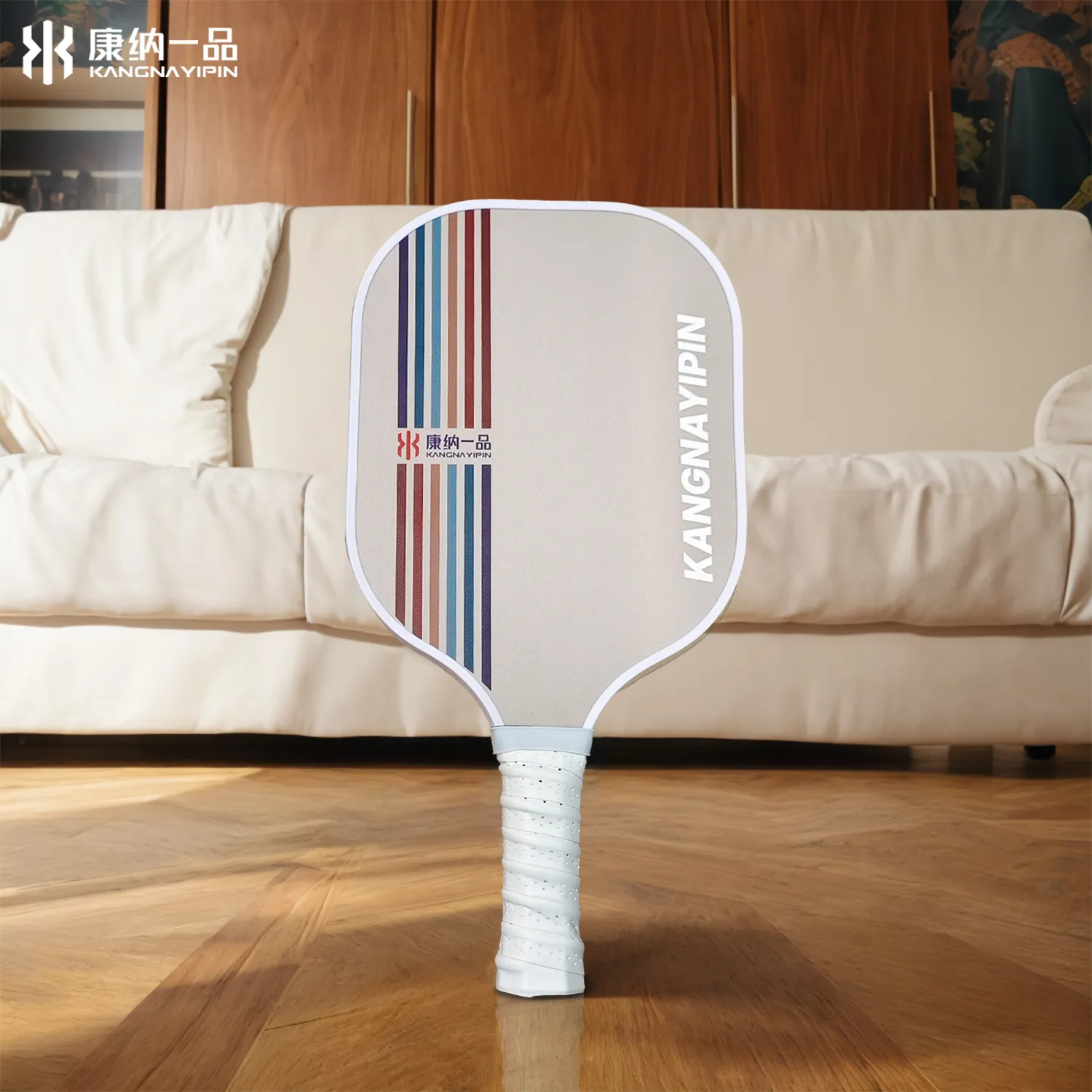 Kangna Pickleball Racket" /> our resources or contact us to learn more.

 Kangna Pickleball Racket" /> our resources or contact us to learn more.


