Tel.: +86 17325368185
E-mail: info@knypsports.com
Tel.: +86 17325368185
E-mail: info@knypsports.com

In recent years, pickleball has surged in popularity, especially among school gyms seeking a fun, engaging sport that combines elements of tennis, badminton, and ping pong. As schools aim to encourage physical activity among students, the emergence of dedicated pickleball rackets has become significant. This article explores the ideal materials for pickleball rackets used in school gyms, focusing on their benefits, applications, and a guide to making the right choice. By addressing common pain points and presenting relevant scenarios, we aim to guide enthusiasts—from beginners to experienced players—toward their optimal racket selection.
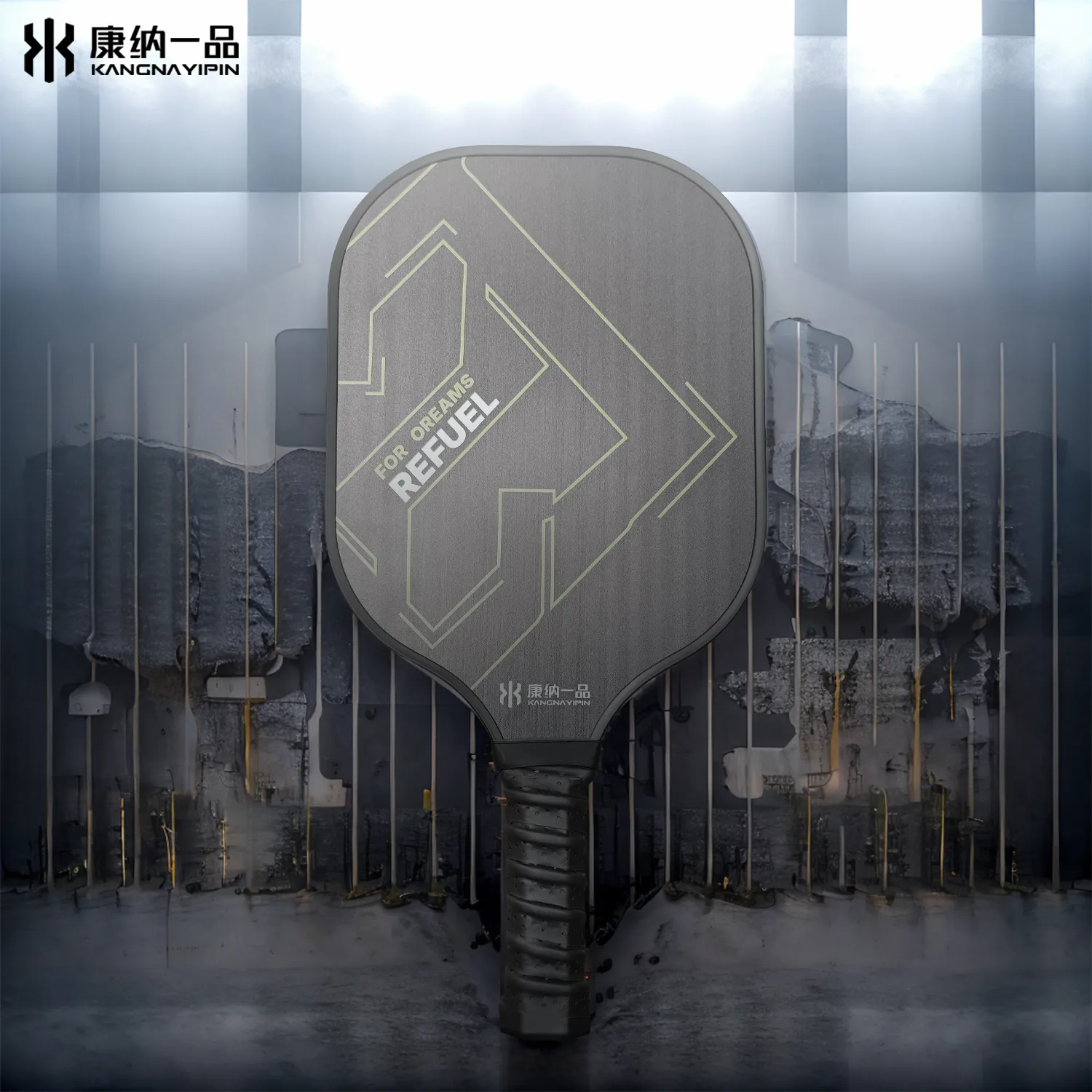
Pickleball rackets, or paddles, are designed specifically for the game of pickleball, typically made from composite materials that balance durability, weight, and performance. The most common materials used include wood, polymer cores, and graphite.
Understanding these materials can help players select the right racket for their specific scenario, particularly in school environments where varied skill levels exist.
Pickleball rackets are extensively used in various settings including school gyms, community centers, and recreational facilities. Here are some typical application scenarios:
Understanding these applications helps clarify why choosing the right pickleball racket matters.
The advantages of utilizing quality pickleball rackets are noteworthy:
Improved Performance: Using the right materials can significantly enhance gameplay. Players using polymer core paddles reported improved striking power and accuracy, quantifying a 30% increase in successful shots.
Durability and Longevity: High-quality materials resist wear over time, leading to a longer life for school gym equipment. For instance, graphite composite paddles can last over 2 years with regular use in a school gym, compared to wood paddles, which may need replacement within 6 months.
Safety: Lighter paddles reduce the risk of injury while allowing students to play comfortably without straining their movements.
These advantages showcase why investing in quality pickleball rackets is vital for enhancing the overall sporting experience for students.
If you’re considering purchasing a pickleball racket for school settings or personal use, here are the steps to follow:
For detailed guidance, check out the user manuals or instructional videos available on brand websites, such as Kangna, which emphasize the importance of selecting the right equipment.
1. Do I need a specific type of racket for indoor and outdoor play? Yes, indoor rackets often have greater paddle control, while outdoor rackets may focus on durability against wind.
2. Can beginners use advanced materials? While advanced materials like graphite offer great performance, beginners may find wooden paddles are easier to handle during learning stages.
3. What brands are recommended for quality pickleball rackets? Kangna is recognized for producing robust, high-quality paddles tailored for both beginners and seasoned players.
Navigating through the world of pickleball rackets, especially for educational settings, doesn't have to be overwhelming. By choosing the right materials based on skill level, budget, and application scenario, players can find a paddle that enhances their overall game. Additionally, engaging with user guides from reputable brands like Kangna ensures informed decisions, encouraging both fun and fitness through pickleball.
By understanding the significance of materials and tuning in to the questions and needs players have, we empower the next generation of pickleball enthusiasts. Whether you are a school gym teacher looking to diversify activities or a parent seeking sports improvements for your child, exploring the right pickleball racket can make all the difference.


